
Do Stainless Steel Hot Water Systems Last Longer?
Todd's Plumbing
Expert Author
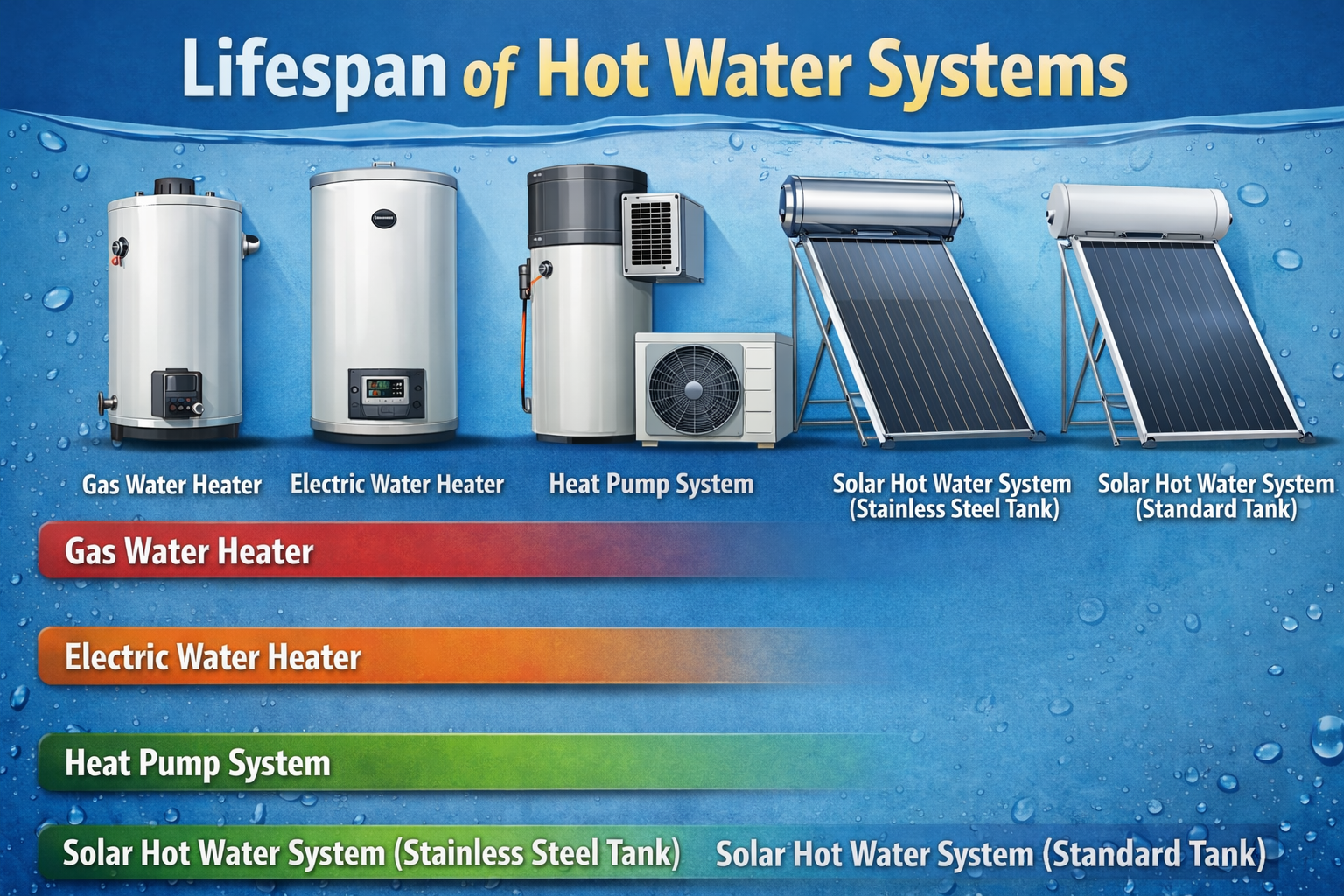
Wondering if stainless steel hot water systems actually last longer? We compare stainless steel vs glass enamel tanks, lifespan, costs, and whether they are worth the extra money for Gold Coast homes.
Do Stainless Steel Hot Water Systems Actually Last Longer?
When it's time to replace a failing hot water system, homeowners are often faced with a critical choice: stick with a standard glass enamel tank, or upgrade to stainless steel. With rising replacement costs, it's natural to ask: do stainless steel hot water systems actually last longer?
Choosing the right tank material is one of the most important factors in determining how long your new system will survive, especially in coastal areas like the Gold Coast where salt air and humidity accelerate corrosion.
Do Stainless Steel Hot Water Systems Last Longer?
In many situations, yes. Stainless steel hot water systems often last longer because the tank material naturally resists corrosion and does not rely on a glass lining for protection. However, water quality, installation quality and maintenance still play a major role in determining lifespan.
While a stainless steel tank has a higher upfront cost, its ability to withstand rust—often without the need for regular sacrificial anode replacements—makes it a highly durable option that can outlast standard tanks by many years.
What Is A Stainless Steel Hot Water System?
A stainless steel hot water system uses a storage cylinder made entirely from high-grade stainless steel (such as 316L or 444 grade). Unlike standard steel tanks, stainless steel has inherent corrosion-resistant properties. This material is widely used across premium electric, heat pump, and solar hot water systems because it can withstand high temperatures and harsh water conditions without degrading quickly.
What Is A Glass Enamel Hot Water System?
A glass enamel hot water system (also known as a vitreous enamel system) consists of a standard carbon steel tank that has been coated internally with a layer of glass enamel. Because steel rusts when exposed to water, this glass lining acts as a protective barrier.
To provide further protection, these tanks require a "sacrificial anode"—a magnesium or aluminium rod suspended inside the tank that attracts corrosive elements, rusting away so the tank itself doesn't. These systems remain popular because they have a lower upfront purchase price and perform reliably when the anode is maintained.
Stainless Steel vs Glass Enamel
| Feature | Stainless Steel | Glass Enamel |
|---|---|---|
| Lifespan | Typically 12–15+ years | Typically 8–12 years |
| Corrosion Resistance | Excellent natural resistance | Relies on intact glass lining and anode |
| Maintenance | Low (Often no anode required) | Higher (Anode replacement every 3-5 years) |
| Cost | Higher upfront cost | Lower upfront cost |
| Warranty | Often 10+ years on cylinder | Often 5–7 years on cylinder |
| Coastal Suitability | Highly recommended | Adequate, but requires strict maintenance |
| Long-Term Value | Excellent (lower lifetime costs) | Good (budget-friendly initially) |
Why Stainless Steel Tanks Often Last Longer
The primary reason stainless steel tanks last longer is their structural integrity. When a glass enamel tank experiences constant heating and cooling, the steel expands and contracts. Over time, this can cause micro-cracks in the rigid glass lining, exposing the raw steel underneath to water. Once the sacrificial anode is depleted, the tank will quickly rust and leak.
Stainless steel systems do not have a glass lining that can crack. The material itself is strong, flexible, and highly resistant to oxidation. This means fewer points of failure and significantly reduced maintenance requirements.
Are Stainless Steel Hot Water Systems Better For Coastal Homes?
Absolutely. For homes in coastal suburbs like Southport, Labrador, Hope Island, Paradise Point, Runaway Bay, Palm Beach, Burleigh Heads, and Mermaid Waters, salt air is a constant threat to metal appliances.
Stainless steel hot water systems are far better equipped to handle the Gold Coast climate. The exterior and interior components resist the rapid corrosion that typically destroys standard steel tanks in coastal environments, ensuring your investment is protected for the long term.
Do Stainless Steel Tanks Need Anodes?
Most premium stainless steel hot water systems do not require a sacrificial anode. Because the material itself is highly resistant to corrosion, it doesn't need a secondary metal rod to "sacrifice" itself to rust.
Glass enamel systems, however, absolutely require them. If you fail to replace the anode in a glass enamel tank every 3 to 5 years, the tank will fail. The lack of an anode in a stainless steel system means cleaner water (no anode sediment) and lower ongoing servicing costs.
Are Stainless Steel Hot Water Systems Worth The Extra Cost?
For most homeowners planning to stay in their property for more than 5 years, stainless steel hot water systems are absolutely worth the extra cost. While the upfront investment is higher, you save money by avoiding anode replacements and delaying the cost of your next full system replacement by several years. The long-term ownership costs are almost always lower.
Common Myths About Stainless Steel Hot Water Systems
- "Stainless steel never corrodes": While highly resistant, poor water quality (like high chloride levels or hard bore water) can eventually cause pitting in stainless steel.
- "Stainless steel lasts forever": No system lasts forever. Valves, thermostats, and elements will still wear out and need replacing over a 10 to 15-year period.
- "Stainless steel requires no maintenance": You still need to test the PTR (Pressure Temperature Relief) valve every 6 months and have the system inspected by a plumber every few years to ensure safe operation.
Common Stainless Steel Hot Water Systems In Australia
Many of the best systems on the market utilize stainless steel tanks. If you are looking at premium solar hot water systems (like the Envirosun TS series), high-efficiency heat pumps, or top-tier electric systems, you will often find they feature 316L or 444 grade stainless steel cylinders because manufacturers know they deliver superior durability.
How Long Do Stainless Steel Hot Water Systems Actually Last?
A quality stainless steel hot water system typically lasts between 12 and 15 years, and sometimes even longer under ideal conditions. However, realistic lifespan expectations depend on your local water quality, proper installation by a licensed plumber, and regular testing of safety valves.
When A Glass Enamel System May Still Be The Better Choice
Stainless steel isn't mandatory for everyone. A glass enamel system may be the better choice if:
- You are on a strict budget and need the lowest upfront replacement cost.
- You live in an area with extremely hard water or high chloride levels (which can sometimes affect stainless steel more than glass enamel).
- You are planning to sell the property in the near future and won't see the long-term return on investment.
Signs Your Existing Hot Water System May Need Replacing
Whether you currently have a glass enamel or stainless steel tank, look out for these warning signs that it's time for a hot water replacement:
- Leaks: Water pooling around the base of the cylinder.
- Rust-coloured water: Brown or discoloured hot water indicates internal tank corrosion.
- Frequent repairs: Constantly replacing elements or thermostats.
- Poor performance: Running out of hot water faster than usual.
- Age: If your system is over 10 years old, it is nearing the end of its reliable life.
Expert Advice From Todd's
At Todd's Plumbing & Electrical, we've spent over 23 years assessing tank materials, coastal conditions, and household requirements across the Gold Coast. We don't push one material over the other; instead, we look at your specific location, budget, and long-term value goals to recommend the perfect system for your home.
Conclusion
Do stainless steel hot water systems last longer? Yes, their superior corrosion resistance and lack of reliance on sacrificial anodes mean they typically outlast standard glass enamel tanks, especially in coastal areas. While they cost more upfront, the long-term savings in maintenance and delayed replacement make them an excellent investment.
However, not every home requires stainless steel. The best choice always depends on your budget, location, and household needs. If you need honest advice on your next hot water system, our team is ready to help.
Need Help Choosing The Right System?
Call Todd's Plumbing & Electrical today for expert advice and fast, reliable hot water replacements across the Gold Coast.
Call 0482 080 423 NowFrequently Asked Questions
Do stainless steel hot water systems last longer?
Yes, stainless steel hot water systems generally last longer than glass enamel systems because they are naturally resistant to corrosion and do not rely on a glass lining that can crack over time.
Are stainless steel hot water systems worth the extra money?
For homeowners planning to stay in their property long-term, they are highly cost-effective. The higher upfront cost is offset by reduced maintenance (no anode replacements) and a longer lifespan.
Do stainless steel hot water systems rust?
While highly resistant to rust, stainless steel can still corrode if exposed to extremely poor water quality, such as high chloride levels or hard bore water, over an extended period.
Do stainless steel tanks need anodes?
Most premium stainless steel tanks do not require a sacrificial anode, saving you money on regular maintenance compared to glass enamel tanks.
Are stainless steel tanks better for coastal homes?
Yes, stainless steel is far more resilient against salt air and humidity, making it the ideal choice for coastal suburbs on the Gold Coast.
How long should a stainless steel hot water system last?
A quality stainless steel hot water system typically lasts between 12 and 15 years, and sometimes longer with proper installation and good water quality.
Is stainless steel better than glass enamel?
Neither tank material is automatically better. Stainless steel tanks are often favoured for their corrosion resistance and reduced maintenance, while glass enamel tanks can offer excellent durability and lower upfront costs.