
How Often Should An Electric Hot Water System Be Serviced?
Todd's Plumbing
Expert Author
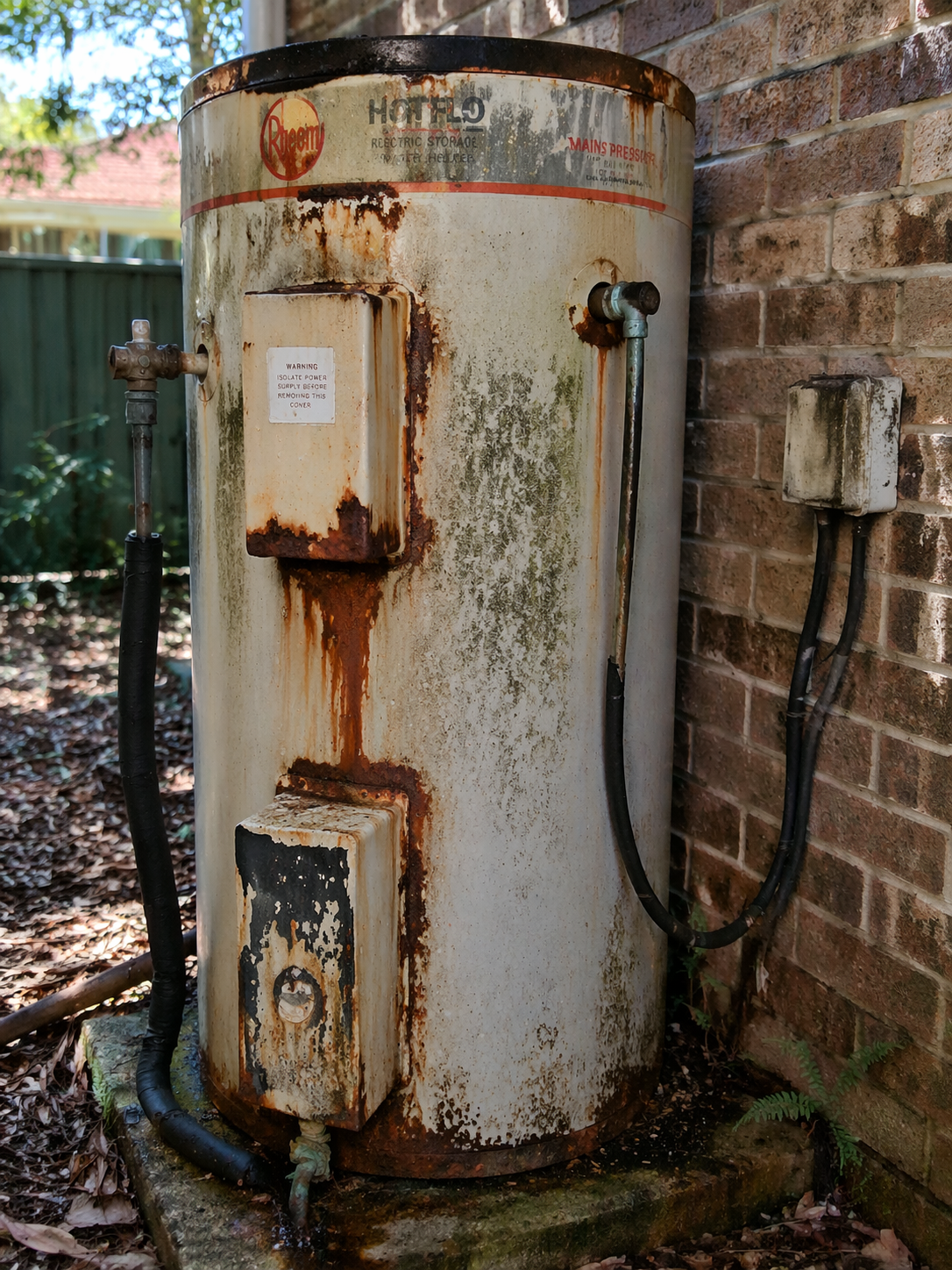
Wondering how often you should service your electric hot water system? We explain the recommended maintenance schedule, PTR valve testing, anode replacement, and how to extend the life of your hot water tank.
How Often Should An Electric Hot Water System Be Serviced?
Many homeowners install an electric hot water system and forget about it until the day they step into a freezing cold shower. By then, a simple maintenance task has often turned into an expensive emergency replacement. So, how often should an electric hot water system be serviced?
To maximize the lifespan of your electric hot water system, it should undergo a minor DIY check every 6 months and a comprehensive professional service every 3 to 5 years. Regular servicing ensures safety valves operate correctly, prevents internal tank corrosion, and keeps your system running efficiently.
The 6-Month DIY Check: The PTR Valve
Every electric storage hot water system is fitted with a Pressure Temperature Relief (PTR) valve. This is a critical safety device designed to release water if the pressure or temperature inside the tank gets too high.
What you should do: Every 6 months, gently lift the lever on the PTR valve for a few seconds. You should see water flow out of the drain pipe and stop completely when you release the lever. If the water doesn't flow, or if it doesn't stop dripping afterward, the valve is faulty and must be replaced by a licensed plumber immediately.
The 3 to 5-Year Professional Service
While the 6-month check is something you can do yourself, your system requires a major professional service every 3 to 5 years. This timeline is crucial, especially for standard glass-lined (vitreous enamel) tanks.
During a professional service, a licensed plumber will:
- Inspect and Replace the Sacrificial Anode: This is the most important part of the service. The anode is a metal rod that sits inside the tank and rusts away so the tank doesn't. Once it is fully depleted (usually after 3-5 years), the water will start corroding the steel tank itself, leading to leaks and total system failure.
- Replace the PTR Valve: Even if you've been testing it, the PTR valve should be replaced every 5 years to guarantee it will function correctly in an emergency.
- Check the Heating Element and Thermostat: We inspect the electrical components to ensure they are heating the water efficiently and accurately.
- Flush the Tank: Over time, sediment and minerals build up at the bottom of the tank, reducing efficiency and potentially damaging the element. Flushing the tank removes this debris.
Why Servicing Your Electric Hot Water System Matters
Ignoring maintenance is the fastest way to destroy a hot water system. Here is why regular servicing is a smart investment:
- Extends Lifespan: Replacing a $150 anode every 5 years can double the lifespan of your tank, saving you thousands on premature replacement costs.
- Maintains Efficiency: A tank full of sediment forces the heating element to work harder, driving up your electricity bills.
- Ensures Safety: A seized PTR valve can cause pressure to build up inside the tank to dangerous levels.
- Protects Your Warranty: Many manufacturers require proof of regular servicing (specifically PTR valve and anode replacement) to honor the warranty on the cylinder.
Signs Your System Needs Immediate Attention
Don't wait for the 5-year mark if you notice any of the following warning signs:
- Brown or Rusty Water: This is a clear indicator that the sacrificial anode has failed and the inside of your tank is rusting.
- Running Out of Hot Water Quickly: This could signal a failing heating element, a broken dip tube, or a heavy build-up of sediment.
- Popping or Rumbling Noises: These sounds are often caused by water boiling underneath a thick layer of sediment at the bottom of the tank.
- Water Leaking Around the Base: If the cylinder itself is leaking, the tank has likely rusted through and cannot be repaired—it must be replaced.
Expert Advice From Todd's
At Todd's Plumbing & Electrical, we see hundreds of hot water systems on the Gold Coast fail years before they should simply because the anode was never replaced. Coastal environments and varying water quality can accelerate wear and tear, making that 3 to 5-year service interval absolutely vital.
If you can't remember the last time your electric hot water system was serviced, it's time to book an inspection. A small maintenance cost today is far better than waking up to a burst tank and a flooded garage tomorrow.
Need A Hot Water Service?
Call Todd's Plumbing & Electrical today to book a comprehensive hot water service and anode replacement across the Gold Coast.
Call 0482 080 423 NowFrequently Asked Questions
How often should an electric hot water system be serviced?
You should perform a DIY check on the PTR valve every 6 months, and have a licensed plumber perform a major service (including anode replacement) every 3 to 5 years.
What happens if I don't service my hot water system?
If the sacrificial anode is not replaced, the water will corrode the steel tank, leading to leaks, rust-coloured water, and premature failure of the entire system.
How much does it cost to service an electric hot water system?
A professional service typically involves replacing the sacrificial anode and the PTR valve. While prices vary, this maintenance is significantly cheaper than replacing a burst hot water tank.
Can I service my electric hot water system myself?
You can and should test the PTR valve yourself every 6 months. However, replacing anodes, valves, or electrical components must be done by a licensed professional due to the risks of pressurized hot water and 240V electricity.