
Why Your Hot Water Is Brown, Rusty or Smells Bad: Causes, Solutions & When to Call a Plumber
Todd's Plumbing
Expert Author
Brown, rusty or smelly hot water? Learn the most common causes—from a worn sacrificial anode to internal tank corrosion—and when to call a plumber or replace your system.
Why Your Hot Water Is Brown, Rusty or Smells Bad
Turning on the hot tap only to find brown water, rusty-coloured water or an unpleasant smell can be alarming. Besides being unappealing, it often indicates that something isn't quite right with your hot water system or your plumbing.
Fortunately, not every case means you need a new hot water system. Some issues are relatively minor and inexpensive to fix, while others may indicate it's time to replace your unit.
In this guide, we'll explain the most common reasons your hot water may be discoloured or smell bad, how to identify the cause, and what you can do to restore clean, fresh hot water.
Quick Answer
If only your hot water is brown, rusty or has an unpleasant smell, the problem is usually related to your hot water system rather than your home's main water supply.
Common causes include:
- A worn sacrificial anode
- Corrosion inside the storage tank
- Sediment build-up
- Bacteria inside the tank
- Old pipework
- Water sitting unused for long periods
Some problems can be repaired, while others require replacing the hot water system.
Step One: Is It Only the Hot Water?
Before assuming the hot water system is faulty, perform a simple test. Turn on a cold tap and a hot tap.
If only the hot water is affected:
The problem is likely within the hot water system.
If both hot and cold water are affected:
The issue may involve your local water supply, galvanised pipework, plumbing repairs in your street, or sediment in the mains. If both supplies are discoloured, it's worth checking with your local water authority before arranging repairs.
Why Is My Hot Water Brown or Rusty?
Brown or rusty hot water usually means iron or rust particles are entering the water. Several issues may be responsible.
Cause 1 – The Sacrificial Anode Has Worn Out
Many electric and solar storage hot water systems contain a sacrificial anode. Its job is to protect the steel storage tank from corrosion. Over time the anode slowly corrodes instead of the tank. Eventually it wears away completely. Once this happens, corrosion begins attacking the tank, rust enters the water, and tank life reduces significantly. Replacing the anode before it is fully consumed can often add years to the life of your hot water system.
Cause 2 – Internal Tank Corrosion
If corrosion has progressed beyond the anode, the inside of the storage tank may begin rusting. Signs include brown hot water, rust particles, orange staining, water becoming progressively worse, and small leaks around the tank. Unfortunately, once the storage tank itself begins corroding, it usually cannot be repaired. Replacement is generally the safest long-term solution.
Cause 3 – Sediment Build-Up
Minerals naturally found in water settle inside the bottom of the storage tank. Over time, this sediment can become disturbed, mix with hot water, create cloudy or brown water, and reduce heating efficiency. Professional servicing and tank flushing may resolve the problem if caught early.
Cause 4 – Old Galvanised Pipes
Older homes may still have galvanised steel pipework. These pipes gradually corrode internally. Rust can enter the water whenever taps are used. If only certain taps are affected, ageing plumbing rather than the hot water system may be responsible.
Why Does My Hot Water Smell Like Rotten Eggs?
One of the most common complaints is: "My hot water smells like rotten eggs." This unpleasant sulphur smell is usually caused by naturally occurring bacteria reacting with the sacrificial anode inside the tank. The bacteria themselves are generally harmless, but the odour can be extremely unpleasant. Solutions may include replacing the sacrificial anode, flushing the tank, sanitising the system, adjusting water treatment, or replacing an ageing hot water system if corrosion is advanced.
Why Does My Hot Water Smell Metallic?
A metallic taste or smell often indicates rust inside the tank, corroding pipework, ageing fittings, or iron deposits. A professional inspection can determine whether the problem originates from the plumbing or the hot water system.
Why Does My Hot Water Smell Musty?
Musty or stale smells can occur when water sits unused for extended periods, holiday homes remain vacant, seasonal properties aren't occupied, or sediment accumulates. Running the system, flushing the tank and servicing the unit often resolves these issues.
Is Brown Hot Water Dangerous?
In most cases, rusty water isn't immediately dangerous, but it isn't something you should ignore. Discoloured water can stain clothing, stain baths and sinks, damage appliances, indicate internal corrosion, and reduce hot water system life. If the water appears very dirty or contains visible particles, arrange an inspection before continuing to use the system.
Can a Smelly Hot Water System Be Repaired?
Often, yes. Depending on the cause, repairs may involve replacing the anode, flushing the storage tank, replacing valves, cleaning components, or servicing the system. However, if the tank itself has become heavily corroded, replacement may be more economical.
Signs You May Need a New Hot Water System
Your system may be nearing the end of its life if you notice:
- Persistent rusty water
- Ongoing unpleasant smells
- Leaking storage tank
- Rust around the base
- Water discolouration worsening over time
- Frequent repairs
- System more than 10–15 years old
Replacing an ageing system can improve water quality, reliability and energy efficiency.
How to Prevent Rusty or Smelly Hot Water
Regular servicing helps extend the life of your hot water system. Maintenance may include checking the sacrificial anode, flushing sediment from the tank, testing safety valves, inspecting electrical or gas components, checking for corrosion, examining pipework, and inspecting pressure settings. Preventative maintenance often costs far less than replacing a failed system.
Which Hot Water Systems Are Most Prone to Rust?
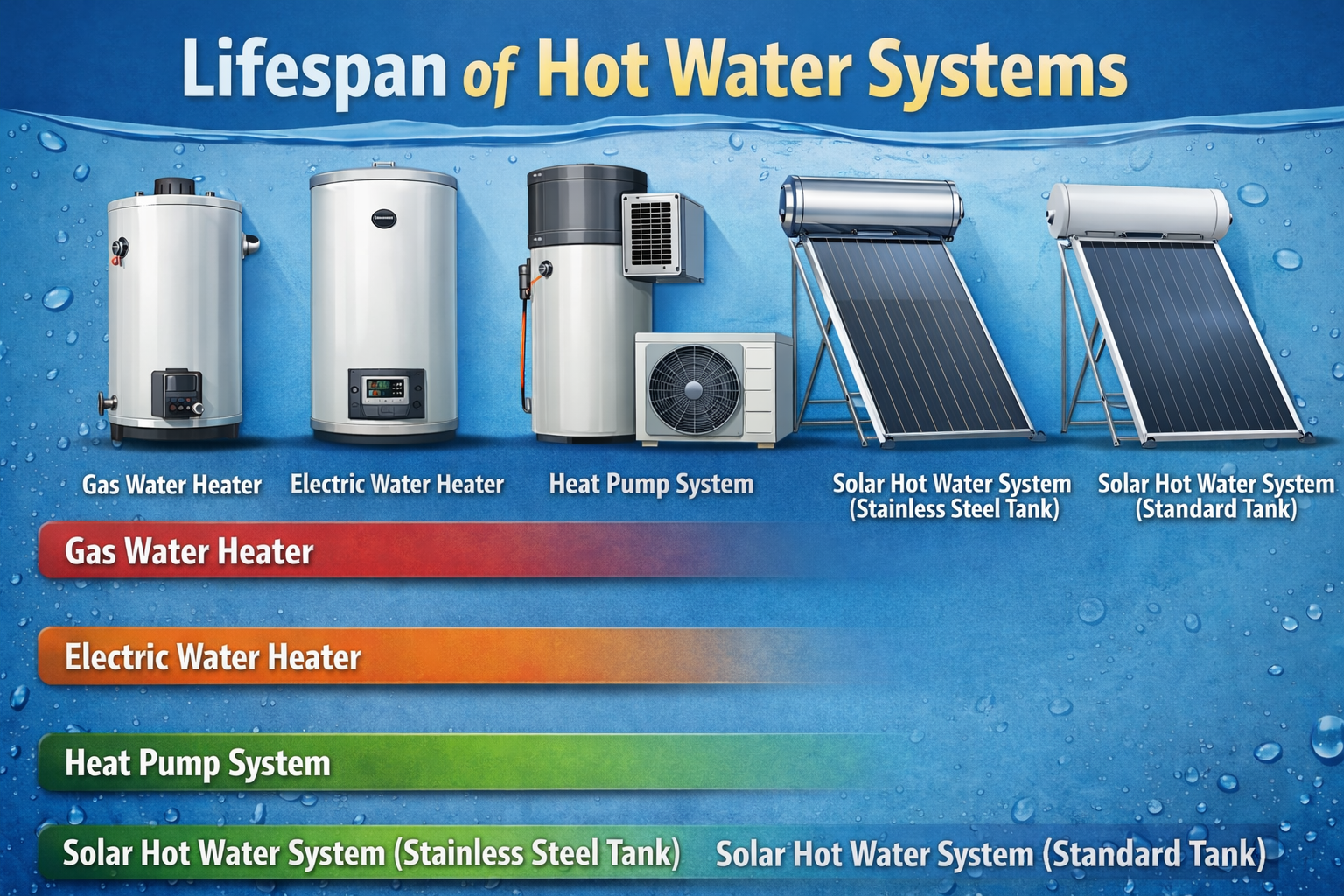
Glass-lined steel tanks rely on the sacrificial anode for corrosion protection. If the anode isn't replaced periodically, corrosion eventually begins attacking the tank. Stainless steel systems generally resist corrosion better, although they still require regular servicing. Regardless of the type of system you own, routine maintenance is the best way to maximise its lifespan.
Why Professional Diagnosis Matters
Several completely different problems can produce similar symptoms. Brown water could be caused by tank corrosion, sediment, pipework, or water supply issues. Bad smells could result from bacteria, anode reactions, stagnant water, or corrosion. Our experienced technicians identify the actual cause before recommending repairs or replacement.
Why Choose Todd's Plumbing & Electrical?
For more than 23 years, Todd's Plumbing & Electrical has helped Gold Coast homeowners diagnose and repair hot water system problems quickly and honestly. We service and repair electric, heat pump, solar, gas, and continuous flow systems. Our experienced team can determine whether your hot water system simply needs servicing or whether replacement is the smarter long-term option.
Why homeowners trust Todd's:
- Licensed plumbers, electricians and gas fitters
- Honest repair-first advice
- Upfront pricing
- Fast response times
- Workmanship guaranteed
- Hundreds of 5-star customer reviews
Frequently Asked Questions
Why is only my hot water brown?
If only the hot water is discoloured, the problem is usually inside the hot water system, such as a worn sacrificial anode, sediment build-up or internal tank corrosion.
Why does my hot water smell like rotten eggs?
This is commonly caused by bacteria reacting with the sacrificial anode inside the storage tank. Servicing the system or replacing the anode often resolves the issue.
Can rusty hot water be fixed?
Yes, depending on the cause. Replacing the sacrificial anode, flushing the tank or repairing plumbing components may solve the problem. If the storage tank itself has corroded, replacement is usually required.
Does brown hot water mean my hot water system needs replacing?
Not always. Brown water may simply indicate sediment or an ageing anode. A professional inspection can determine whether the issue is repairable.
How often should the sacrificial anode be checked?
For most storage hot water systems, the anode should be inspected every 3–5 years, depending on water quality and the manufacturer's recommendations. Replacing it before it is fully consumed can significantly extend the life of the tank.
Need Help with Rusty or Smelly Hot Water?
If your hot water has turned brown, looks rusty, smells unpleasant or you're concerned about the condition of your hot water system, Todd's Plumbing & Electrical can help. Our experienced technicians will inspect your system, identify the cause of the problem, and recommend the most cost-effective solution—whether that's a simple repair, a routine service or a complete replacement.
Contact Todd's Plumbing & Electrical today for expert hot water repairs, servicing and replacement across the Gold Coast.
Rusty or Smelly Hot Water?
Call Todd's Plumbing & Electrical today for fast, honest diagnosis and reliable hot water repairs across the Gold Coast.
Call 0482 080 423 Now